Charting the Role of Transaction Channels in Optimizing Incentive Layers for Smartphone Reel Spins and Real-Time Athletic Predictions
Jonas Braun · Jun 2, 2026

Charting the Role of Transaction Channels in Optimizing Incentive Layers for Smartphone Reel Spins and Real-Time Athletic Predictions
Transaction channels have become central to how incentive layers function across mobile platforms that host reel spins alongside real-time athletic predictions, and operators continue to refine these systems as user volumes rise through mid-2026. Payment methods now determine the speed at which bonus credits appear in accounts, how promotional multipliers apply to individual spins or wagers, and whether users can move funds between different game categories without interruption. Data from industry tracking services shows that platforms integrating instant settlement options recorded higher retention rates during the first half of the year compared with those relying on traditional processing times.
Core Mechanics of Transaction Channels in Mobile Environments
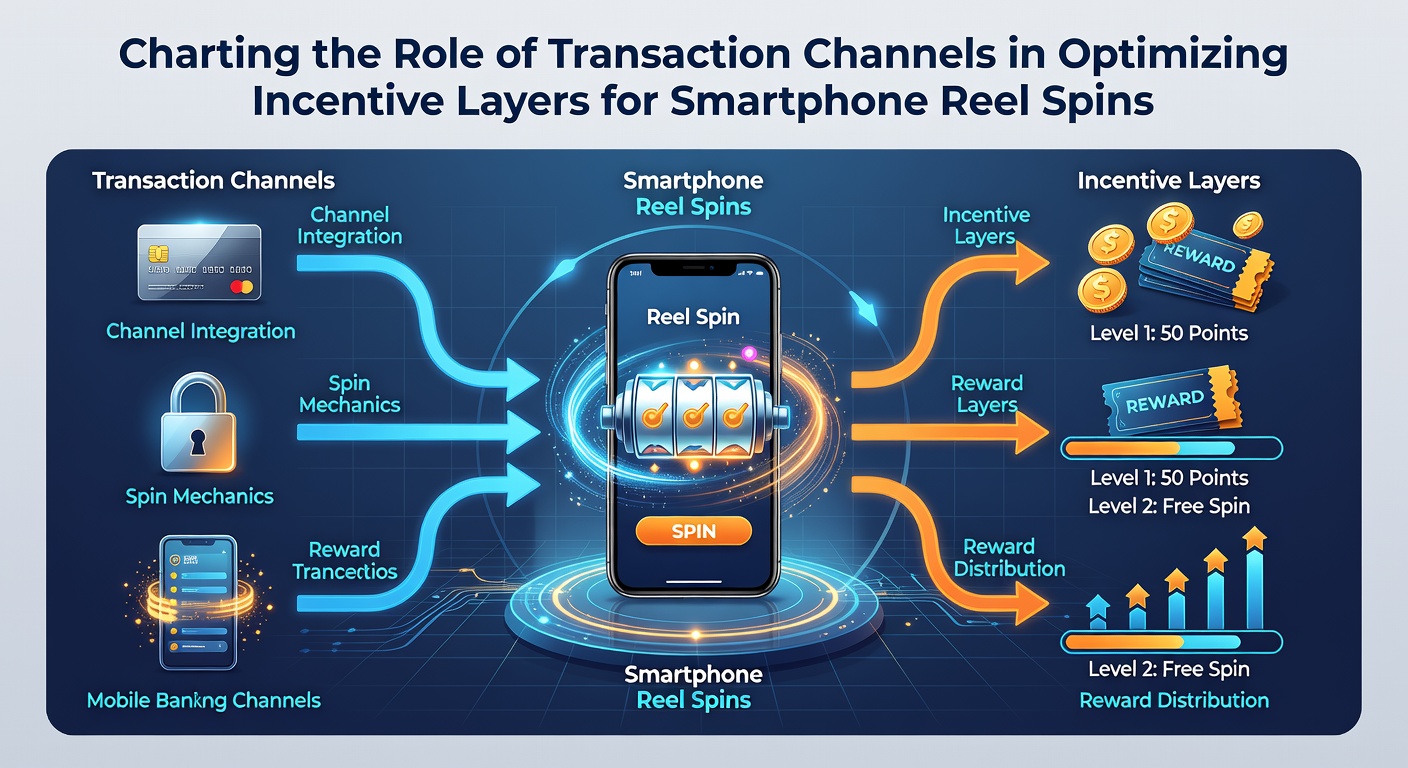
Digital wallets, bank transfers, and card networks each carry distinct settlement profiles that affect incentive delivery. Instant wallets allow bonus codes to activate within seconds, which means players can apply them directly to the next reel spin sequence or live prediction market. Slower channels, by contrast, often require users to wait before layered rewards such as free spin bundles or enhanced odds become available. Observers note that platforms adjust their incentive structures according to the channel chosen at deposit, creating tiered reward tables that reflect processing speed and associated fees.
June 2026 brought several updates to regional payment regulations that further shaped these mechanics. Operators adjusted their systems to comply with new verification timelines in multiple jurisdictions, and the changes influenced how quickly incentive layers could be deployed after an initial transaction cleared. Those adjustments produced measurable differences in user engagement patterns across both slots and sports prediction sections of the same applications.
Incentive Layer Construction and Channel Alignment
Incentive layers typically combine deposit matches, cashback percentages, and game-specific multipliers. When a transaction channel supports real-time confirmation, operators can attach higher-value multipliers to reel spins or attach dynamic odds boosts to athletic predictions without manual intervention. Slower channels often receive lower-tier rewards because the delay between deposit and play reduces the window for promotional activation. Researchers tracking these patterns have documented how alignment between channel speed and reward depth influences overall platform revenue distribution.
Application to Smartphone Reel Spins
Reel spin mechanics rely on rapid credit updates to maintain session flow. Transaction channels that settle instantly allow players to trigger successive bonus rounds without leaving the game interface. Many platforms now route mobile deposits through channels that feed directly into spin meters, enabling automatic application of free spin allotments or multiplier stacks. Figures released by several large operators indicate that sessions initiated with instant channels show longer average play durations than those using delayed settlement options.
Integration with Real-Time Athletic Predictions
Real-time athletic prediction markets require continuous liquidity and quick settlement to keep odds current. Transaction channels that support instant deposits enable users to add funds and immediately place wagers on unfolding events. Incentive layers in this segment often include boosted odds or risk-free prediction credits that activate only after a qualifying deposit clears through an approved channel. Studies conducted by academic groups in North America have examined how these timing factors affect prediction accuracy metrics and overall market participation rates.
Operators have begun mapping channel performance against prediction market volatility. Channels that handle high-frequency micro-transactions without lag receive preferential placement in incentive tables, while those prone to delays are restricted to lower-stakes prediction categories. This mapping process became more refined during June 2026 as live event calendars expanded and operators sought to maintain consistent reward delivery across fluctuating market conditions.
Regional Regulatory Context and Data Patterns
Regulatory bodies in different regions continue to publish statistics on mobile transaction volumes and their relationship to promotional activity. Reports from the Nevada Gaming Control Board detail how payment channel choices correlate with bonus redemption rates in both slots and sports categories. Similar data emerging from Australian oversight agencies shows parallel trends, with instant channels linked to higher volumes of small-stakes reel activity and live prediction engagement. These reports provide operators with benchmarks for adjusting incentive layers according to local channel preferences.
Industry associations such as the European Gaming and Betting Association have also released aggregated figures that track cross-border payment trends. The data reveals that platforms offering multiple channel options with aligned incentives maintain steadier user bases than those limiting choices to a single method. Observers tracking these metrics note that the relationship between channel efficiency and incentive optimization remains consistent across varied regulatory environments.
Conclusion
Transaction channels continue to shape the structure and delivery of incentive layers on platforms that combine smartphone reel spins with real-time athletic predictions. The speed, reliability, and regulatory compatibility of each channel determine how quickly rewards activate and how effectively they integrate into ongoing play sessions. As operators refine their systems in response to 2026 regulatory shifts and user data, the alignment between payment methods and promotional mechanics remains a central factor in platform performance across both game categories.