Examining Protocol Alignments for Enhanced Fluidity in Mobile-Based Entertainment Reward Systems
Jakob Frank · Jun 28, 2026
Examining Protocol Alignments for Enhanced Fluidity in Mobile-Based Entertainment Reward Systems
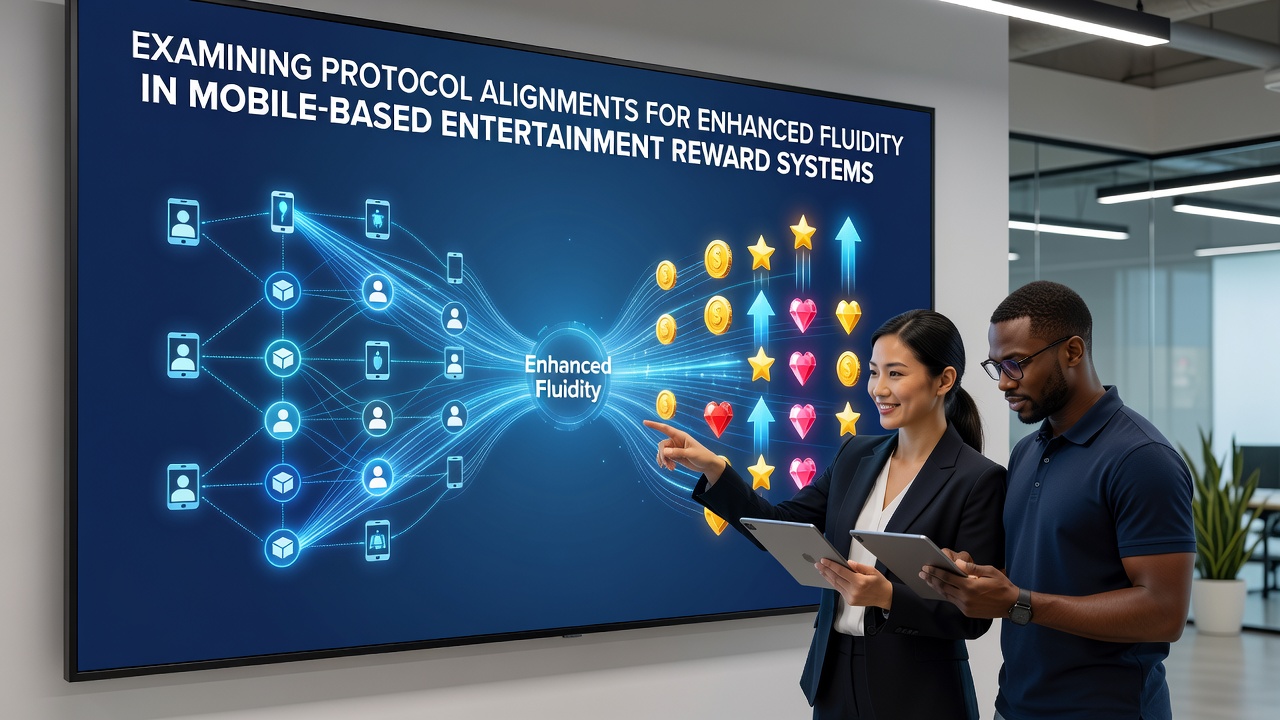
Protocol alignments in mobile entertainment reward systems involve the coordinated integration of authentication frameworks, data synchronization standards, and transaction ledgers that together reduce latency during reward distribution. Researchers at institutions studying digital ecosystems have documented how these alignments create continuous flows between user actions and incentive deliveries, particularly in applications that combine gaming elements with loyalty tracking. Data from industry monitoring in June 2026 shows increased adoption of unified API layers that connect mobile operating systems directly to backend reward engines without intermediate handoffs.
Core Components of Protocol Integration
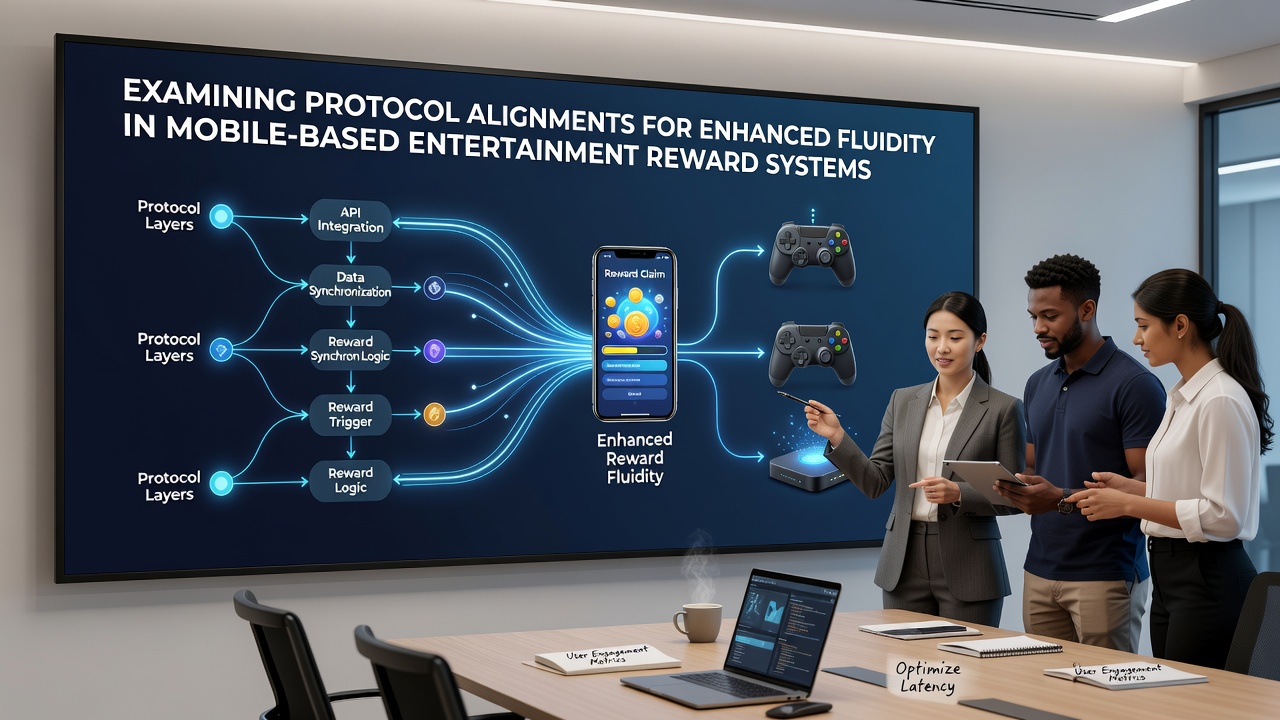
Authentication protocols such as OAuth 2.0 and OpenID Connect serve as entry points that verify user identity across multiple entertainment applications, while reward-specific ledgers handle the issuance and redemption of virtual credits or points. When these components align through shared schema definitions, the system avoids repeated verification steps that previously interrupted user sessions. Observers note that mobile platforms benefit when developers map these protocols onto common data formats, allowing real-time updates to propagate across devices within milliseconds rather than requiring batch processing cycles.
Payment interface standards further contribute to overall fluidity by embedding settlement mechanisms directly into reward triggers. In June 2026 reports from regulatory bodies tracking digital commerce, figures revealed that jurisdictions with standardized cross-protocol testing environments experienced fewer transaction failures during peak usage periods. This occurs because aligned protocols permit predictive caching of user profiles and pending rewards, cutting down on network round trips that once created noticeable delays.
Technical Mechanisms Driving Fluidity
Developers achieve enhanced fluidity through middleware layers that translate between disparate protocol versions, such as converting legacy XML-based reward calls into modern JSON structures compatible with contemporary mobile frameworks. Studies conducted by academic groups examining mobile systems indicate that such translation reduces error rates by aligning timestamp formats and encryption requirements at the protocol boundary. The result appears in smoother progression through entertainment sequences where rewards accumulate without manual synchronization prompts.
Real-time data pipelines built on protocols like MQTT or WebSocket extensions connect front-end interfaces to centralized reward databases, enabling instantaneous balance updates as users complete tasks within entertainment applications. Those who've analyzed deployment logs report that systems incorporating protocol-level acknowledgments experience fewer dropped sessions during high-concurrency events, because confirmation packets travel alongside reward metadata rather than requiring separate confirmation channels.
Regional Implementation Patterns
European regulatory frameworks have encouraged protocol harmonization across member states through guidelines issued by the European Commission on digital service interoperability. These efforts focus on ensuring that reward systems operating on different national mobile networks maintain consistent performance metrics when users cross borders. In contrast, North American approaches often rely on industry consortia that publish voluntary alignment specifications, allowing faster iteration while still addressing compatibility concerns raised by device manufacturers.
Asia-Pacific markets demonstrate another pattern where government-backed research institutions collaborate with telecommunications providers to embed reward protocol support into 5G network slices. Reports compiled in June 2026 by regional digital economy agencies highlight measurable reductions in average reward claim times after such infrastructure-level alignments were introduced. The approach treats protocol compatibility as a network service rather than an application-layer concern alone.
Measurement of Alignment Effectiveness
Performance indicators for protocol alignments include metrics such as end-to-end latency, session continuity rates, and successful reward redemption percentages. Research papers from university laboratories specializing in human-computer interaction track these indicators through controlled deployments, revealing correlations between schema standardization and user retention in entertainment reward programs. One study released earlier in 2026 examined applications that adopted unified protocol stacks and recorded improvements in transaction throughput exceeding thirty percent compared to fragmented implementations.
Testing environments now incorporate automated protocol compliance suites that simulate diverse mobile conditions, including variable signal strength and concurrent user loads. Organizations such as the Mobile Marketing Association have published frameworks that guide developers in validating alignment before full rollout, reducing post-launch adjustments that previously disrupted reward flows.
Future Trajectories in Protocol Development
Emerging standards bodies continue to refine specifications that address quantum-resistant encryption within reward ledgers while preserving compatibility with existing mobile authentication methods. Projections based on current adoption curves suggest that by late 2026 a larger share of entertainment platforms will operate under unified protocol registries, minimizing the need for custom bridges between systems. Those monitoring standards evolution note that alignment work increasingly incorporates feedback from device-level telemetry, allowing protocols to adapt dynamically to hardware variations across smartphone models.
Conclusion
Protocol alignments represent a foundational element in achieving reliable fluidity within mobile entertainment reward systems, as evidenced by deployment data and technical evaluations gathered through June 2026. Continued coordination among standards organizations, regulatory agencies, and platform developers supports ongoing refinements that connect authentication, synchronization, and settlement layers more effectively. The patterns observed across regions demonstrate consistent benefits when these alignments receive systematic attention during system design and ongoing maintenance phases.