Examining Settlement Velocity Thresholds Against Layered Compliance Layers in Smartphone Reel Sequences, Virtual Dealer Protocols, and Athletic Forecast Interfaces
Sofia Schulz · Aug 4, 2026
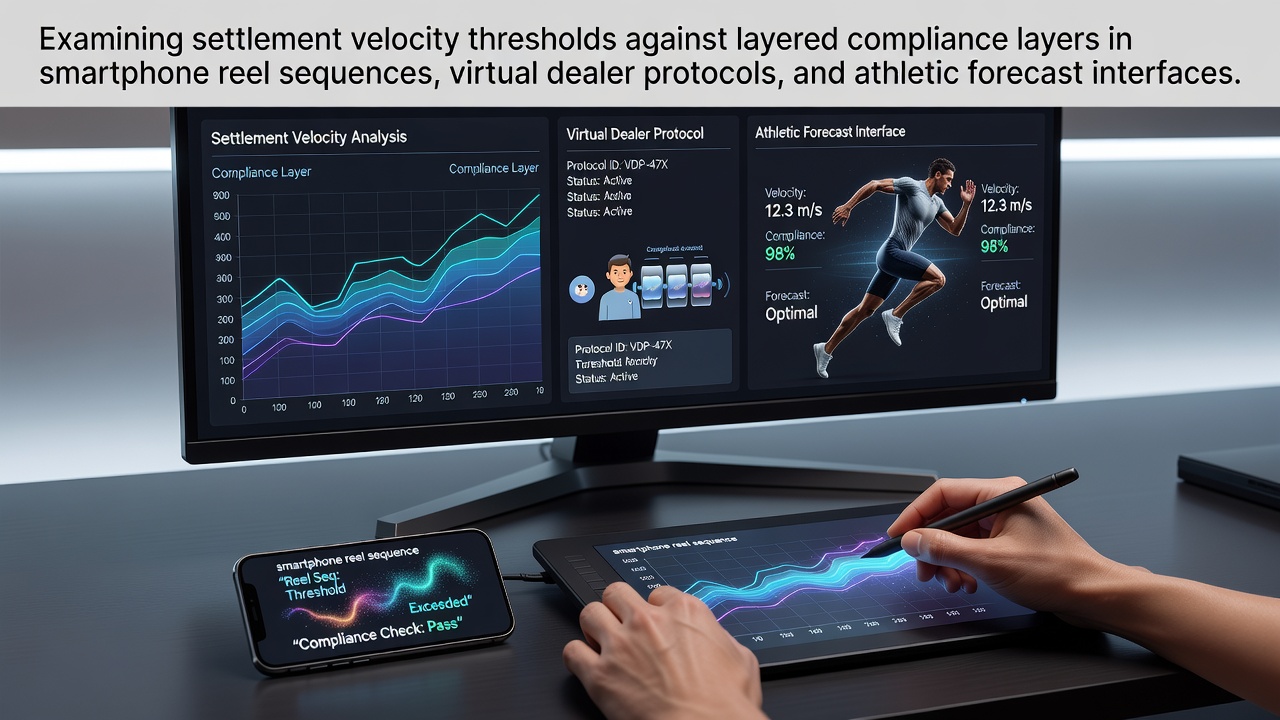
Examining Settlement Velocity Thresholds Against Layered Compliance Layers in Smartphone Reel Sequences, Virtual Dealer Protocols, and Athletic Forecast Interfaces
Regulatory frameworks in digital gaming environments require settlement velocity thresholds to align precisely with layered compliance structures across smartphone reel sequences, virtual dealer protocols, and athletic forecast interfaces, adn data from multiple jurisdictions illustrate how these alignments function in practice. Observers note that transaction processing speeds must satisfy verification steps at each layer without introducing delays that breach established timelines, while operators implement automated checks that scan for regulatory adherence during every payout cycle.
Core Mechanics of Settlement Velocity in Mobile Reel Systems
Smartphone reel sequences operate under settlement velocity rules that mandate rapid fund transfers once compliance layers confirm player eligibility, game outcome integrity, and tax reporting obligations, and researchers at institutions tracking gaming technology have documented how systems integrate real-time validation to meet these demands. One study revealed that platforms handling high-volume reel interactions typically route settlements through sequential gates where identity verification precedes balance reconciliation, yet velocity thresholds dictate that the entire process completes within windows measured in seconds rather than minutes. And data shows that deviations from these thresholds trigger automated halts, allowing secondary reviews to address anomalies before funds move.
Virtual Dealer Protocols and Compliance Integration
Virtual dealer protocols add distinct compliance layers because live-streamed table interactions require synchronization between game resolution, result recording, and settlement initiation, while regulatory bodies such as the Nevada Gaming Control Board have issued guidelines that tie settlement velocity directly to audit trail completeness. Those who've examined these systems find that dealer-hosted formats embed timestamped logs at each decision point, creating checkpoints that settlement engines must clear before releasing winnings. But here's the thing: operators maintain parallel monitoring tools that flag any lag between game closure and fund movement, ensuring thresholds remain intact even during peak activity periods.
Athletic Forecast Interfaces and Threshold Alignment
Athletic forecast interfaces connect settlement velocity to outcome verification layers that draw from external data feeds, and figures from industry reports indicate these platforms process predictions through multi-stage compliance that includes market integrity checks and responsible gaming filters. Researchers discovered that forecast systems often route settlements via conditional pathways where velocity thresholds adapt based on the complexity of the underlying event, yet the core requirement stays consistent: all layers must resolve before funds transfer. What's interesting is how these interfaces frequently employ predictive algorithms to pre-stage compliance tasks, reducing the time between event conclusion and settlement execution without compromising verification depth.
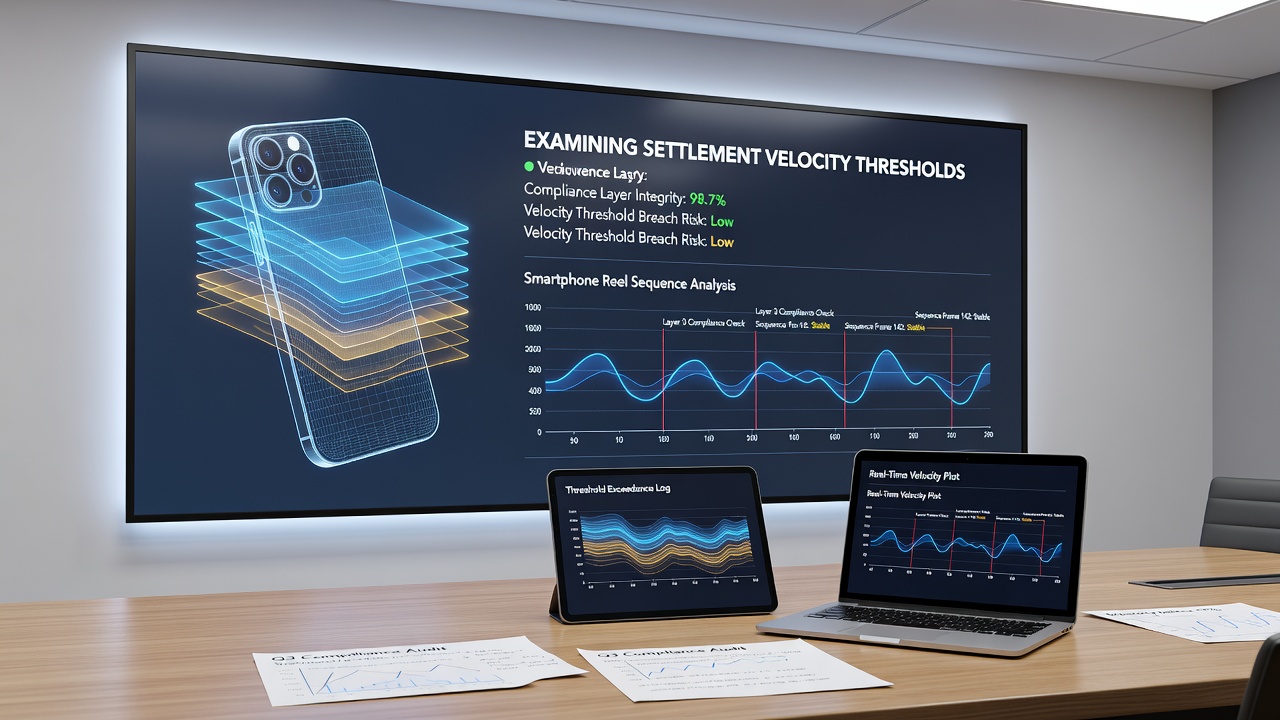
Cross-Platform Patterns Observed in August 2026
During August 2026, monitoring reports highlighted consistent patterns where settlement velocity thresholds interacted with compliance layers in ways that varied by platform type, and analysts tracking these developments noted tighter integration between reel sequences and dealer protocols through shared backend systems. People who've studied the data point out that athletic forecast interfaces showed particular sensitivity to external event timing, requiring velocity adjustments when compliance layers detected discrepancies in feed accuracy. And government sources in multiple regions, including updates from the Australian Communications and Media Authority, documented how operators adjusted internal thresholds to accommodate seasonal activity spikes while preserving full layer adherence.
Technical Implementation Across Jurisdictions
Implementation strategies differ by region yet converge on the principle that settlement velocity must scale with compliance complexity, and evidence from Canadian provincial regulators illustrates how systems incorporate modular checkpoints that activate only when specific risk indicators appear. Those monitoring the sector observe that smartphone applications frequently bundle reel and forecast functions within unified compliance shells, allowing velocity metrics to apply uniformly across both. But the reality is that virtual dealer environments demand additional synchronization layers because real-time human elements introduce variables that automated reel systems avoid, prompting operators to deploy dedicated timing protocols that keep settlements within prescribed bounds.
Conclusion
Settlement velocity thresholds continue to intersect with layered compliance structures in smartphone reel sequences, virtual dealer protocols, and athletic forecast interfaces through mechanisms that prioritize verification completeness alongside processing speed, and ongoing regulatory updates ensure these alignments adapt to technological shifts. Observers tracking developments across jurisdictions note that successful implementations rely on integrated monitoring rather than isolated checks, allowing platforms to maintain operational efficiency while satisfying all required layers. Data from established gaming authorities and research institutions support the view that these thresholds function as dynamic controls rather than fixed limits, evolving in response to platform demands and regulatory refinements observed through August 2026 and beyond.