Governor Spanberger Vetoes Fairfax County Casino Referendum Push
Drew Butler · Apr 12, 2026

Governor Spanberger Vetoes Fairfax County Casino Referendum Push
On April 10, 2026, Virginia Governor Abigail Spanberger delivered a decisive veto to Senate Bill 756, effectively halting a legislative effort that would have overridden Fairfax County's local authority by mandating a referendum on a proposed Las Vegas-style casino in the Tysons area; this move came despite unanimous opposition from the Fairfax County Board of Supervisors, underscoring tensions between state-level ambitions and community preferences in the realm of gaming expansion.
The Birth of Senate Bill 756
Senate Majority Leader Scott Surovell, a Democrat representing Fairfax, introduced Senate Bill 756 earlier in the 2026 legislative session, positioning it as a means to introduce Virginia's sixth commercial gaming facility; the bill targeted the bustling Tysons region, known for its corporate offices and high-end retail, where proponents envisioned a glitzy casino resort mirroring those in Las Vegas, complete wth slots, table games, and entertainment venues that could draw crowds from nearby Washington, D.C.
What's interesting here is how the legislation bypassed traditional local zoning processes, instead compelling Fairfax County officials to place the casino question directly before voters in a binding referendum; supporters, including Surovell, argued that such a facility would generate substantial tax revenue—potentially hundreds of millions annually—while creating thousands of jobs in hospitality, construction, and gaming operations, all funneled back into state coffers and local infrastructure projects.
Yet the bill's path through the General Assembly wasn't without hurdles; it advanced amid broader debates on Virginia's gaming footprint, where lawmakers balanced economic incentives against concerns over problem gambling, traffic congestion, and shifts in community character, especially in an area like Tysons that's evolved from farmland into a symbol of Northern Virginia's tech-driven prosperity.
Fairfax County's Firm Stance Against the Casino
The Fairfax County Board of Supervisors stood united in opposition, passing resolutions that highlighted risks to the area's quality of life; board members pointed to potential increases in traffic along already strained corridors like Route 7 and the Dulles Toll Road, where a casino could attract gamblers from across the mid-Atlantic, exacerbating commutes for the county's 1.1 million residents who rely on these routes daily.
And it's not just about roads—officials expressed worries over social impacts, citing studies from other casino locales that show upticks in bankruptcy filings, crime rates near gaming venues, and strains on public services; in Tysons specifically, development patterns favor mixed-use towers and green spaces rather than sprawling resorts, a vision the board has championed through comprehensive plans updated as recently as 2025.
Take the unanimous vote: all nine supervisors, spanning party lines, rejected the casino concept, signaling that local leaders—who field constituent calls and navigate neighborhood meetings—saw the writing on the wall early, preferring control over their destiny instead of a top-down mandate from Richmond.
Spanberger's Veto: A Nod to Local Control
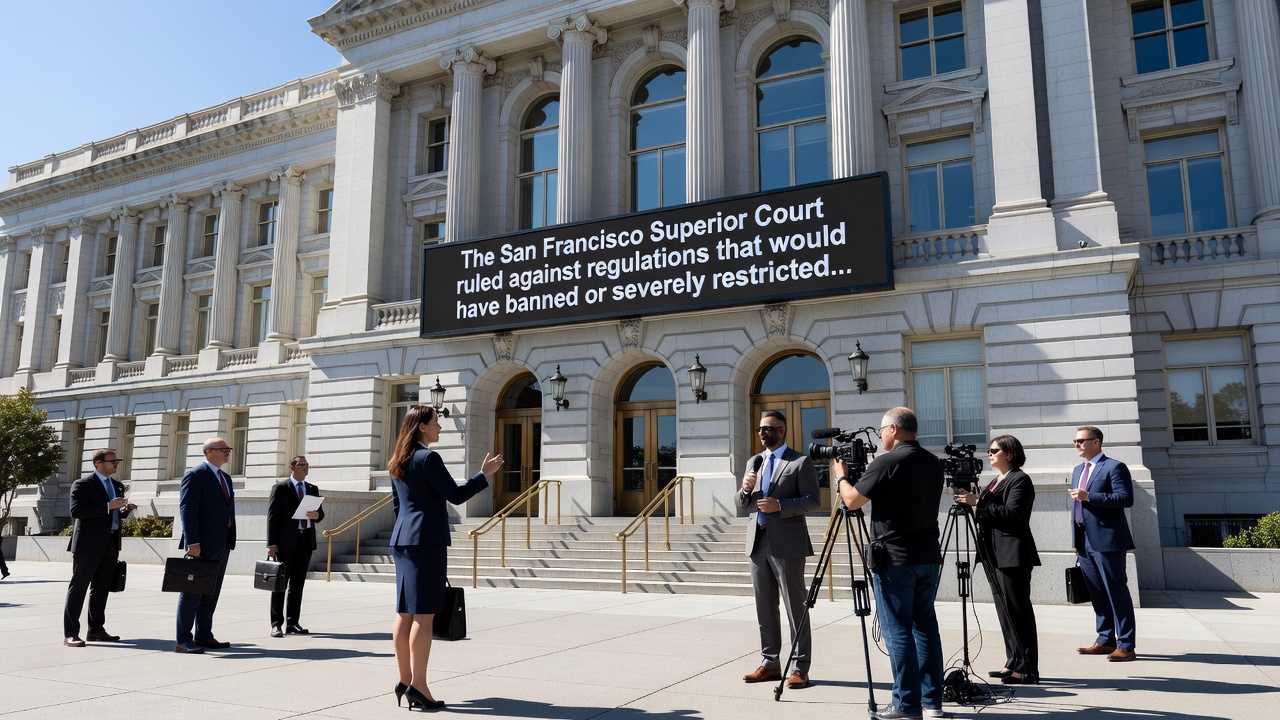
Governor Spanberger, in her veto message released that same day, emphasized respect for local decision-making as the cornerstone of her decision, stating clearly that overriding the Fairfax County Board's position undermined principles of home rule embedded in Virginia's constitution; according to the governor's office announcement, such interventions set dangerous precedents for future state-local relations, particularly in fast-growing suburbs where voters elect supervisors precisely to handle land-use choices.
But here's the thing: this veto arrived at a pivotal moment, just weeks after the General Assembly adjourned its 2026 session, leaving little time for an override attempt that would require a two-thirds majority in both chambers—a tall order given the bill's narrow passage margins; Spanberger, a former congresswoman with deep ties to Northern Virginia, framed her action as protecting communities from unwanted developments, echoing sentiments from residents who packed public hearings with pleas against the casino.
Observers note how this aligns with patterns in recent Virginia politics, where governors from both parties have wielded veto pens on gaming bills when local voices dominate the narrative; data from the Joint Legislative Audit and Review Commission indicates that Virginia's five existing casinos—located in Portsmouth, Danville, Bristol, Emporia, and Richmond—already contribute over $500 million yearly in taxes, prompting questions about whether more are truly needed, especially in saturated markets near D.C.
Virginia's Evolving Gaming Scene
Virginia's commercial casino journey kicked off in 2020 with voter-approved referendums in struggling cities, a far cry from the statewide lottery that began in 1988; today, those five facilities employ around 10,000 people combined, with Resorts World in Portsmouth leading as the largest, boasting over 1,300 slots and 100 tables since opening in 2022, while Hard Rock in Bristol draws regional crowds with concerts and sports betting integration.
So why Tysons now? Proponents like Surovell highlighted untapped revenue—projections pegged a Tysons casino at $400 million in annual gross gaming revenue, split between state taxes, local shares, and operator profits—positioning it as a boon for education funding and transportation upgrades; yet critics, including the county board, countered with evidence from neighboring Maryland, where MGM National Harbor has funneled billions to Prince George's County but also correlated with higher DUI arrests and emergency service calls.
Turns out, Fairfax's demographics play a role too: median household incomes topping $130,000 mean residents prioritize schools and parks over gaming taxes, and with D.C.'s own gambling options expanding—MGM and potential sportsbooks—the area faces oversaturation risks that could dilute returns for all operators.
Broader Implications for State-Local Dynamics
This veto spotlights ongoing friction in Virginia governance, where the state constitution grants counties home rule but allows legislative overrides on select issues like gaming licenses; past attempts, such as the 2023 push for a Norfolk-area expansion, faltered under similar local pushback, teaching lawmakers that voter-backed casinos thrive best when communities buy in willingly.
People who've tracked these battles often discover that economic promises don't always sway affluent suburbs, where quality-of-life metrics—think walkable downtowns and transit-oriented growth—trump job stats; in Tysons, ongoing projects like the Silver Line extension and Capital One headquarters underscore a future geared toward innovation hubs, not neon-lit gambling floors.
Now, with the bill dead unless miraculously overridden, attention shifts to Fairfax's master planning process, where casino talk might resurface in developer pitches, but only if supervisors greenlight it—a prospect as likely as a snowball in July, given their track record.
Conclusion
Governor Spanberger's veto of Senate Bill 756 on April 10, 2026, preserves Fairfax County's authority over Tysons' destiny, respecting the unanimous voice of its supervisors against a forced casino referendum; while Virginia's gaming sector continues to expand through its established five venues, generating vital revenue without local overrides, this episode serves as a reminder that successful developments hinge on community consensus, not legislative fiat. As Northern Virginia evolves, balancing growth with resident priorities remains key, ensuring that economic opportunities align with the places people call home.