Procedural Mechanics Governing Bonus Activation Through Various Transaction Options on Mobile Platforms
Jakob Frank · Jun 21, 2026
Procedural Mechanics Governing Bonus Activation Through Various Transaction Options on Mobile Platforms
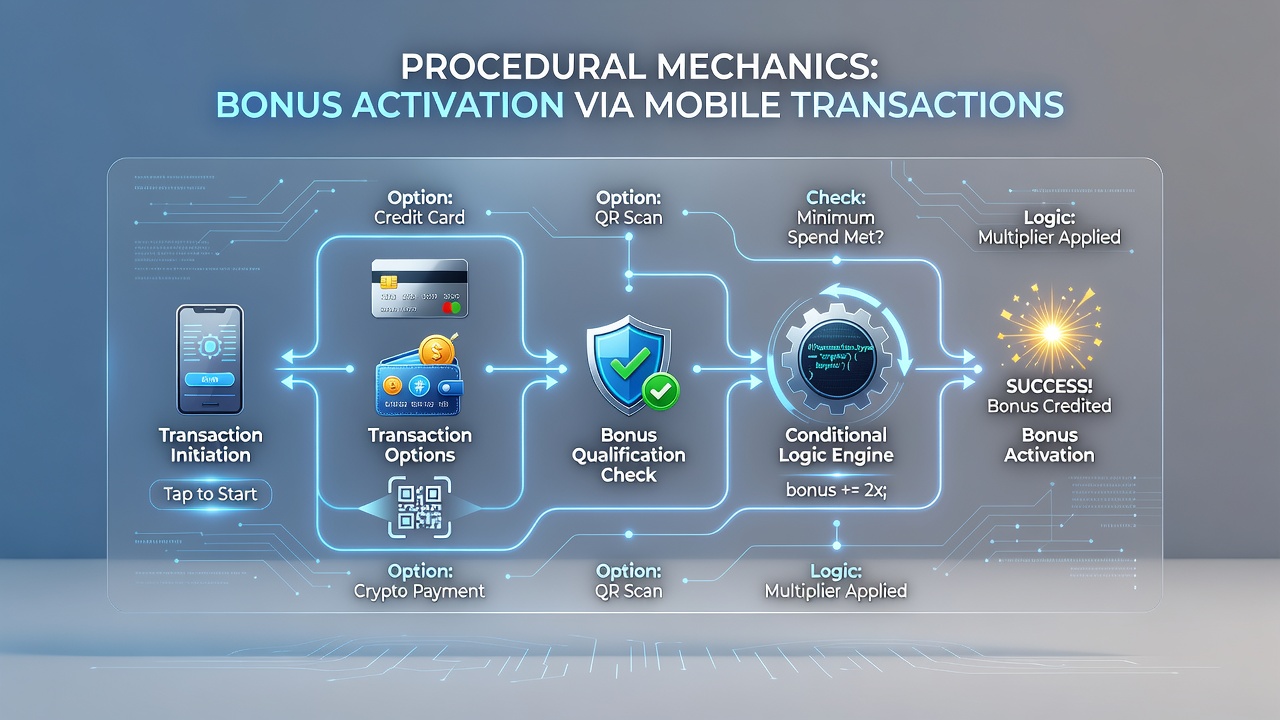
Procedural mechanics for bonus activation on mobile platforms follow structured sequences that begin with transaction initiation and extend through verification checkpoints before any incentive credits appear in user accounts. These steps integrate platform algorithms with payment processor responses while maintaining compliance with regional standards set by oversight bodies. Mobile applications handle the flow through dedicated APIs that track deposit amounts, method types, and account eligibility in real time.
Core Verification Layers Across Payment Channels
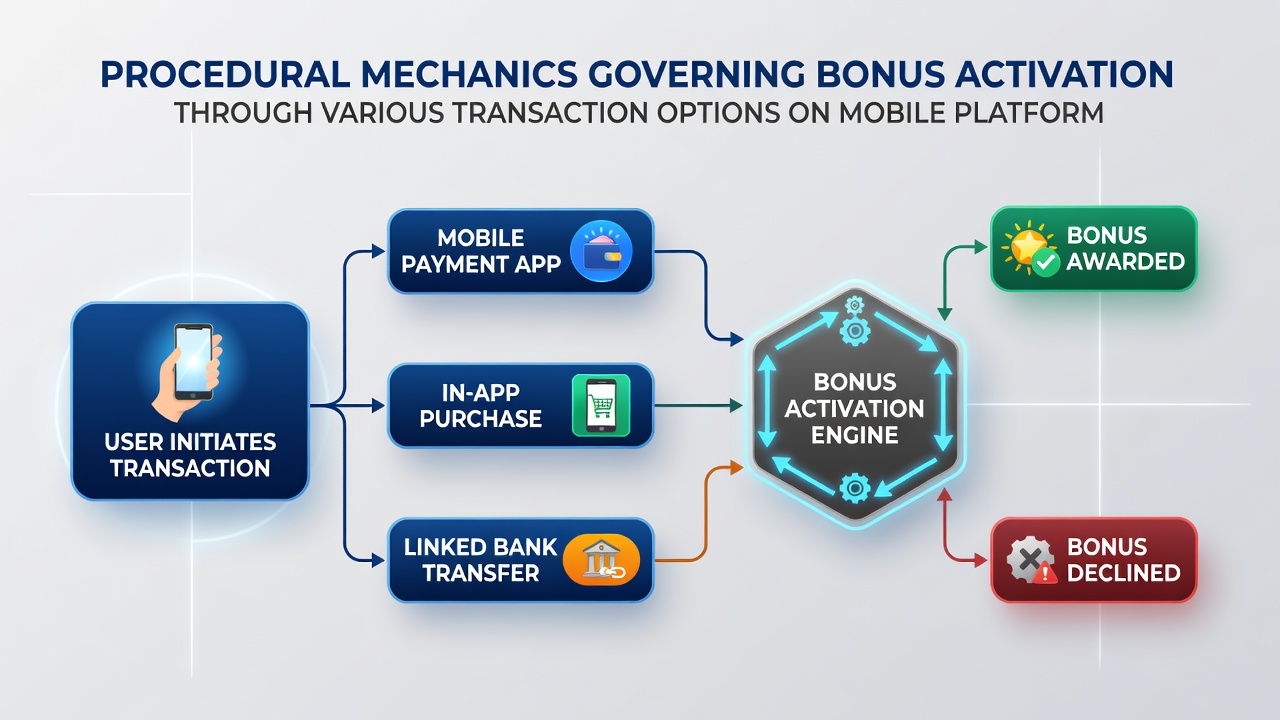
Transaction options such as credit cards, e-wallets, bank transfers, and digital currencies each trigger distinct verification sequences that platforms must complete before bonuses activate. Credit card deposits typically require immediate authorization codes from issuers followed by address confirmation matches, whereas e-wallet transfers move through provider-side fraud screens that flag mismatched device locations. Bank transfers add settlement delays of one to three business days during which the system holds bonus eligibility in pending status until funds clear. Digital currency options route through blockchain confirmations that platforms monitor via multiple node checks before crediting occurs.
Observers note that June 2026 updates from several regulatory frameworks introduced mandatory two-factor authentication tied directly to transaction logs, which altered activation timelines for many operators. Those who've studied these shifts report that platforms adjusted their internal queues to batch multiple small deposits into single verification events, reducing redundant checks while preserving audit trails.
Mobile-Specific Interface Protocols
Mobile interfaces embed procedural triggers within app navigation that guide users through deposit screens where bonus terms display alongside payment selections. Once a transaction processes, push notifications relay status updates that link back to account dashboards showing progress through each activation stage. Developers program these flows to pause at points requiring manual input, such as uploading identification documents when transaction volumes exceed predefined thresholds. Research indicates that seamless integration between payment gateways and bonus engines prevents most activation failures, though network interruptions on user devices can still force restarts of the entire sequence.
Threshold and Eligibility Checks
Platforms apply layered eligibility checks that scan user history, geographic restrictions, and prior bonus usage before allowing activation to proceed. Minimum deposit amounts vary by method, with some e-wallets permitting lower entry points than traditional cards because their processing costs differ. Data from the Ontario Lottery and Gaming Corporation shows that alignment between these thresholds and mobile session patterns improved activation success rates during early 2026 testing periods. When conditions fail, the system returns error codes that explain the blockage without exposing internal rule sets.
Settlement Timelines and Cross-Method Variations
Settlement timelines differ markedly depending on the chosen transaction channel, which directly influences when bonuses become available for use. Instant methods complete their cycles within seconds after authorization, while slower options extend the window during which users cannot access associated rewards. Platform logs capture each milestone, allowing support teams to trace delays back to specific nodes in the payment chain. Those who've examined aggregated reports find that cryptocurrency flows often bypass certain banking intermediaries, shortening overall activation windows compared with wire-based alternatives.
What's interesting is how regional variations affect these mechanics, with some jurisdictions requiring additional tax reporting steps embedded in the mobile transaction flow itself. Platforms incorporate these requirements by prompting users for supplementary data during high-value deposits, then routing the information to compliance modules before bonus credits finalize.
Integration with Broader Platform Systems
Bonus activation procedures connect to larger platform ecosystems that monitor play patterns and adjust future offers based on completed transactions. Mobile apps sync this data across devices through cloud-based profiles that maintain continuity even when users switch between phones and tablets. External audits from groups such as the Australian Institute of Criminology examine these connections to verify that procedural safeguards prevent unauthorized activations across multiple accounts. The resulting reports feed back into system refinements that operators implement during scheduled maintenance windows.
Conclusion
Procedural mechanics for bonus activation through mobile transactions form a coordinated system of checks, verifications, and timed releases that adapt to each payment method's technical characteristics. These processes continue to evolve alongside regulatory expectations and technological capabilities, ensuring consistent handling across diverse user scenarios while preserving operational integrity.