San Francisco Court Ruling Stops Blackjack Game Restrictions at California Cardrooms
Drew Butler · Jul 3, 2026

San Francisco Court Ruling Stops Blackjack Game Restrictions at California Cardrooms
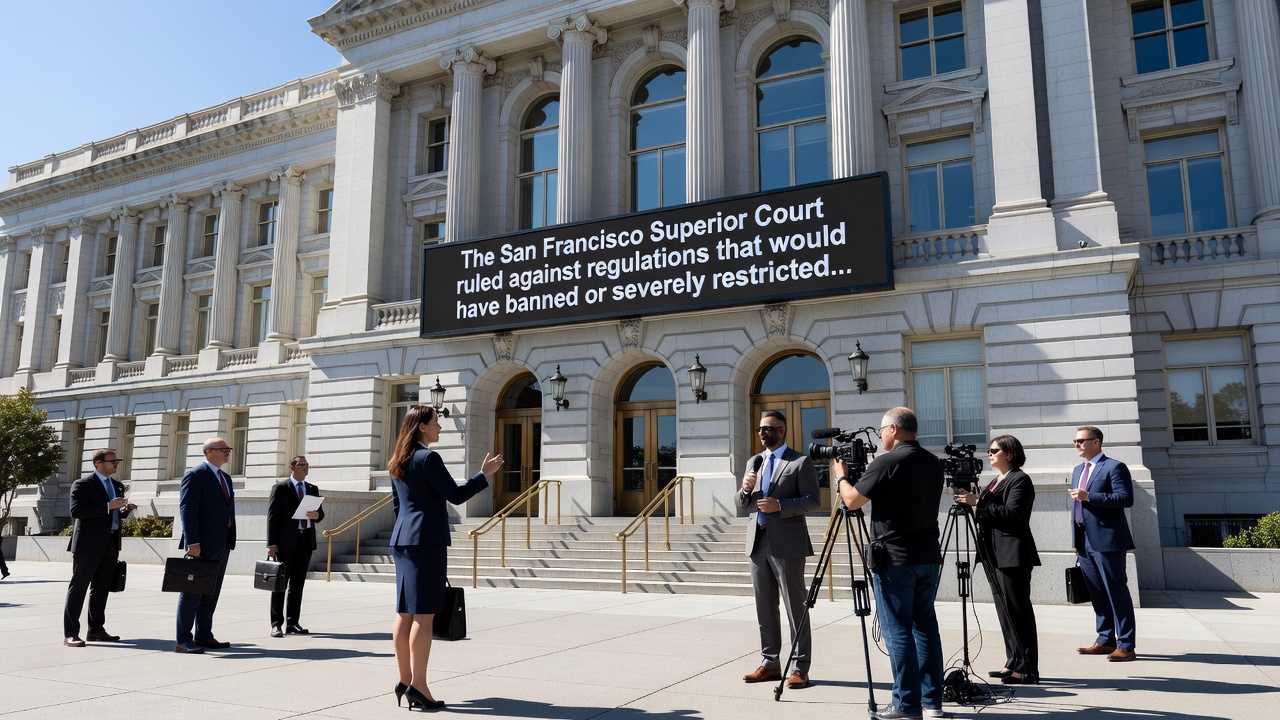
The San Francisco Superior Court issued a ruling that blocks enforcement of regulations aimed at banning or severely limiting blackjack-style games at California cardrooms, and the decision directly halts actions proposed by the state Bureau of Gambling Control along with Attorney General Rob Bonta. Cardroom operators gained this outcome in proceedings tied to California Gaming Association v. Bonta (Case Nos. CPF-26-519606, CPF-26-519609), and the result interrupts efforts by tribal casinos to preserve exclusive rights over certain table games through regulatory channels.
State regulators had advanced rules that would have classified specific blackjack variants as prohibited at cardrooms, yet the court found sufficient grounds to pause those measures while litigation continues. This development occurred amid broader disputes over game approvals and licensing authority that stretch back several years in California gaming law.
Details of the Regulatory Push and Legal Challenge
The Bureau of Gambling Control drafted restrictions targeting games that resemble traditional blackjack in structure and play, and Attorney General Bonta supported those steps as part of ongoing oversight of cardroom operations. Cardroom representatives argued that the proposed rules exceeded regulatory authority and would effectively eliminate popular offerings that generate substantial revenue across multiple venues. The court reviewed filings from both sides before determining that enforcement should not proceed at this stage.
Multiple cardroom associations coordinated the legal response, and they presented evidence showing how the rules would disrupt existing business models without clear statutory backing. Tribal interests had previously advocated for tighter controls on non-tribal gaming to protect compacts that grant exclusive access to certain house-banked games, yet the Superior Court decision shifts the immediate balance by preserving the status quo for cardrooms.
Background on California Cardroom and Tribal Casino Dynamics
California maintains a dual system where tribal casinos operate under compacts with the state while cardrooms function under different licensing rules that prohibit house-banked games in some forms. Blackjack-style offerings at cardrooms typically rely on player-banked formats or third-party banking arrangements that have faced repeated legal scrutiny. The latest regulations sought to close perceived loopholes, but the court ruling keeps those arrangements operational during the appeals process.
Observers note that disputes over game classification have produced several prior lawsuits, and each case has refined the boundaries between permitted and restricted activities. Data from industry reports indicate cardrooms across the state host millions of player hours annually in table games, while tribal facilities maintain larger market shares in regions where exclusivity clauses apply. The current decision does not resolve underlying compact negotiations, yet it provides cardroom operators temporary relief from compliance deadlines that would have taken effect in summer 2026.
Immediate Effects on Operators and Enforcement
Cardroom operators can continue offering the contested blackjack-style games without interruption from the blocked regulations, and this continuity supports ongoing revenue streams tied to those tables. The Bureau of Gambling Control must pause related enforcement actions, including potential license reviews or fines that had been prepared under the new rules. Legal teams for both cardrooms and tribes are preparing additional arguments, and the case remains active with further hearings scheduled later in the year.
State officials have not issued public statements confirming next steps, although the ruling requires them to demonstrate stronger legal justification before similar restrictions can advance. Those involved in the litigation describe the decision as procedural rather than a final determination on the merits of the underlying policy dispute.
Broader Context Within California Gaming Litigation
California gaming law continues to evolve through court interpretations of compact language, regulatory authority, and definitions of game types. The present case builds on earlier challenges that addressed similar questions about player banking and game approval processes. Attorneys representing cardroom interests have cited prior rulings that limited the reach of Bureau directives, while tribal advocates reference compact provisions that they argue should shield certain games from non-tribal competition.
Court records show the consolidated cases CPF-26-519606 and CPF-26-519609 incorporate arguments from multiple stakeholders, and the Superior Court consolidated them to address overlapping claims efficiently. The outcome leaves room for appellate review, and parties on both sides have signaled willingness to pursue further proceedings if needed.
Conclusion
The San Francisco Superior Court ruling preserves current operations at California cardrooms by blocking enforcement of the proposed blackjack restrictions, and it maintains the existing competitive landscape while litigation proceeds. Stakeholders from cardroom associations, tribal governments, and state regulatory bodies will continue presenting their positions through established legal channels. The case California Gaming Association v. Bonta remains the central vehicle for resolving these questions, and future decisions will shape how blackjack-style games are classified and licensed across the state.