Tracing Eligibility Thresholds in Portable Chance Mechanics and Their Alignment With Layered Incentive Protocols Across Virtual Table Formats and Athletic Prediction Interfaces
David Meier · May 31, 2026
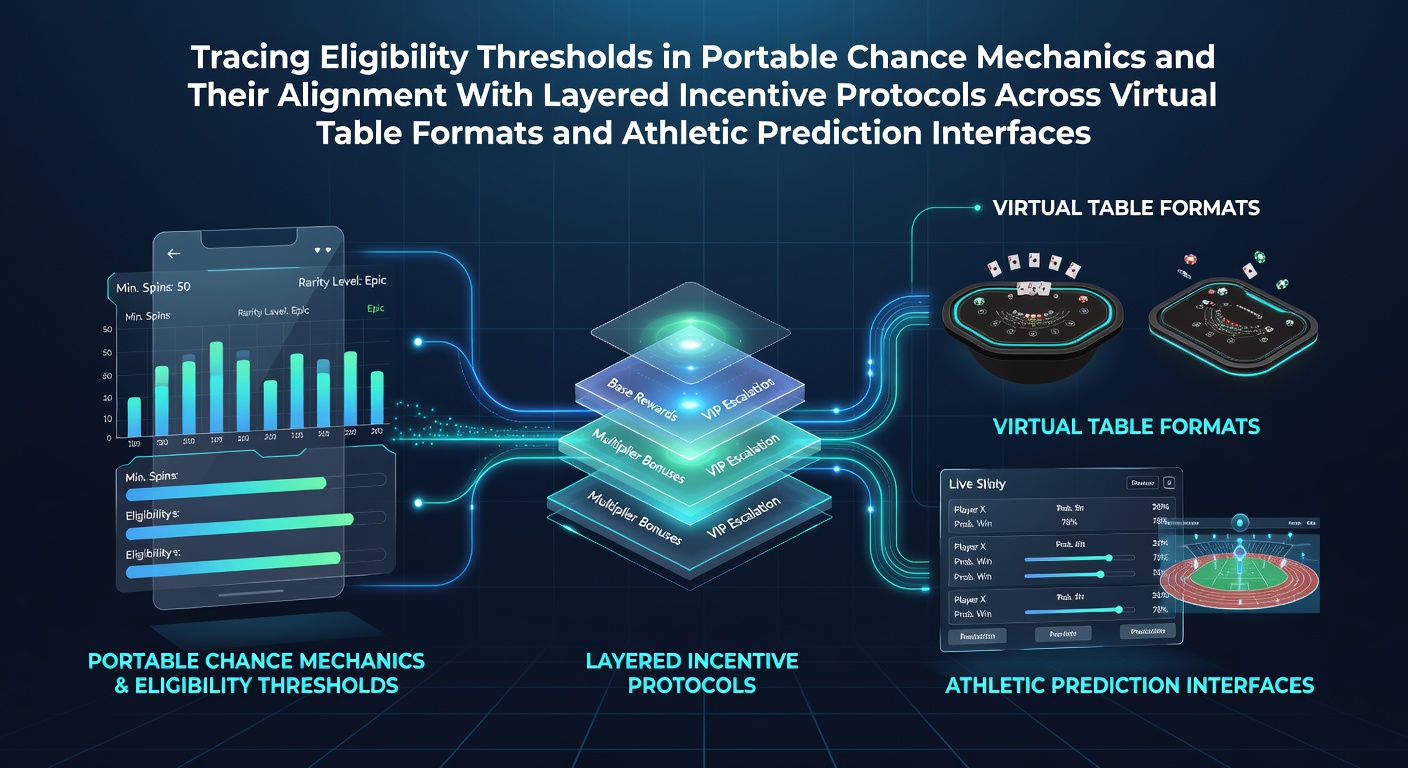
Tracing Eligibility Thresholds in Portable Chance Mechanics and Their Alignment With Layered Incentive Protocols Across Virtual Table Formats and Athletic Prediction Interfaces
Data from industry tracking services shows that eligibility thresholds in portable chance mechanics operate through coded entry points that users encounter when accessing mobile applications for games of chance. These thresholds typically require completion of initial account verification steps combined with minimum deposit amounts before bonus structures activate, and researchers at academic institutions have documented how these rules vary by jurisdiction in 2026.
Mechanics of Threshold Setting in Mobile Environments
Portable chance mechanics rely on algorithms that calculate user eligibility based on factors including account age, transaction history, and geographic location data. Operators set these parameters to comply with regulatory frameworks, and evidence from multiple markets indicates that thresholds often reset after each promotional cycle ends. One analysis of platform updates released in May 2026 revealed that several major providers adjusted their mobile entry criteria to incorporate additional identity checks while maintaining the same deposit floors.
Layered incentive protocols build on these thresholds by stacking rewards across different activity levels. Users who meet base eligibility can unlock secondary tiers through continued play volume or specific game selections, and this structure appears consistently across both chance-based games and prediction interfaces. Studies conducted by research groups in North America have mapped how these layers interact with daily login requirements and time-based decay functions that reduce unused rewards.
Alignment Across Virtual Table Formats
Virtual table formats integrate these same eligibility systems yet apply them differently depending on game type. Blackjack and roulette interfaces often demand higher initial stakes to trigger layered incentives compared to simpler card games, and operators adjust these figures according to average session lengths recorded in their analytics. Data collected through 2026 shows that table game thresholds frequently align with live dealer availability schedules to encourage participation during peak hours.
Those who have examined cross-platform data note that virtual tables share backend protocols with mobile chance mechanics, which allows seamless transfer of eligibility status when users switch devices. This integration reduces redundant verification steps but requires precise synchronization of incentive layers to prevent overlaps or gaps in reward distribution.
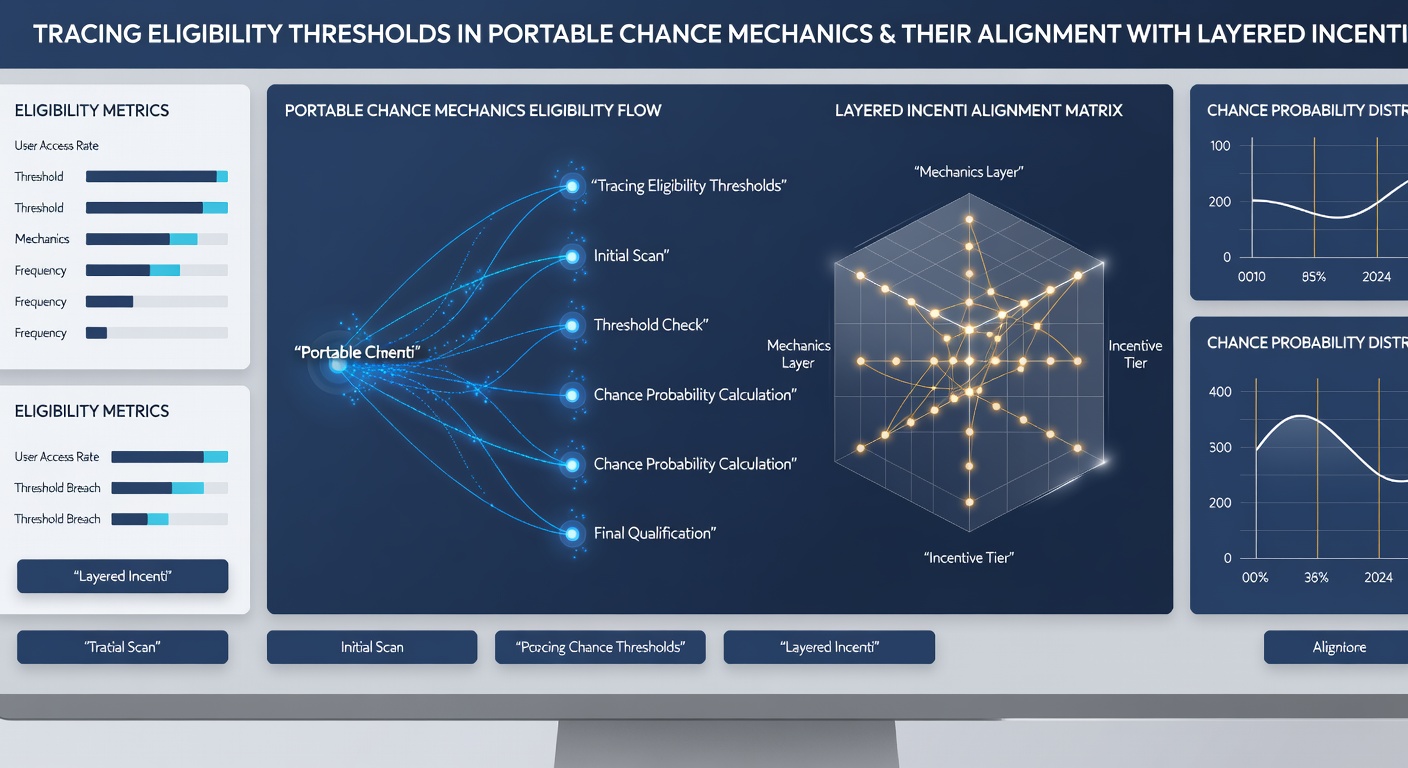
Integration With Athletic Prediction Interfaces
Athletic prediction interfaces apply eligibility thresholds through market-specific rules tied to event timing and odds volatility. Users must often reach defined activity levels within sportsbook sections before accessing enhanced incentive layers, and records from regulatory filings indicate that these thresholds increased in several regions during early 2026. The alignment between chance mechanics and prediction interfaces occurs through shared user accounts that carry eligibility status forward across product verticals.
Observers tracking these systems have identified common patterns where sports prediction platforms mirror the tiered structure used in virtual tables, with bonus multipliers scaling according to prediction accuracy streaks or total stake amounts. Figures released by state gaming authorities in the United States demonstrate that such alignments help maintain consistent compliance reporting across different product categories while allowing operators to adjust thresholds based on real-time participation metrics.
Regulatory and Technical Considerations in 2026
Regulatory bodies in multiple jurisdictions have issued updated guidance on how eligibility thresholds must be disclosed within mobile applications, and this has prompted operators to refine their interface designs. Technical implementations now include clearer progress indicators that display remaining requirements before the next incentive layer unlocks. According to reports from the Nevada Gaming Control Board, these changes took effect in several licensed operations by May 2026.
Research from European institutions has examined how athletic prediction thresholds interact with responsible gaming tools, finding that automatic threshold resets after losses help maintain protocol integrity. The same studies note that portable chance mechanics often share code libraries with prediction interfaces, which facilitates consistent application of eligibility rules across formats while allowing regional customization.
Conclusion
Eligibility thresholds in portable chance mechanics continue to evolve in tandem with layered incentive protocols, and their alignment across virtual table formats and athletic prediction interfaces reflects ongoing technical standardization. Documentation from regulatory sources and academic reviews shows that these systems rely on shared data frameworks that track user progress across multiple game types. As platforms update their mobile offerings through 2026, the connections between different product categories remain central to how operators structure access and rewards.