Tracing Shuffle Protocols in Dealer-Hosted Formats Against Settlement Timelines Within Layered Reward Ecosystems for Athletic Forecast Platforms
Sofia Schulz · Jun 5, 2026
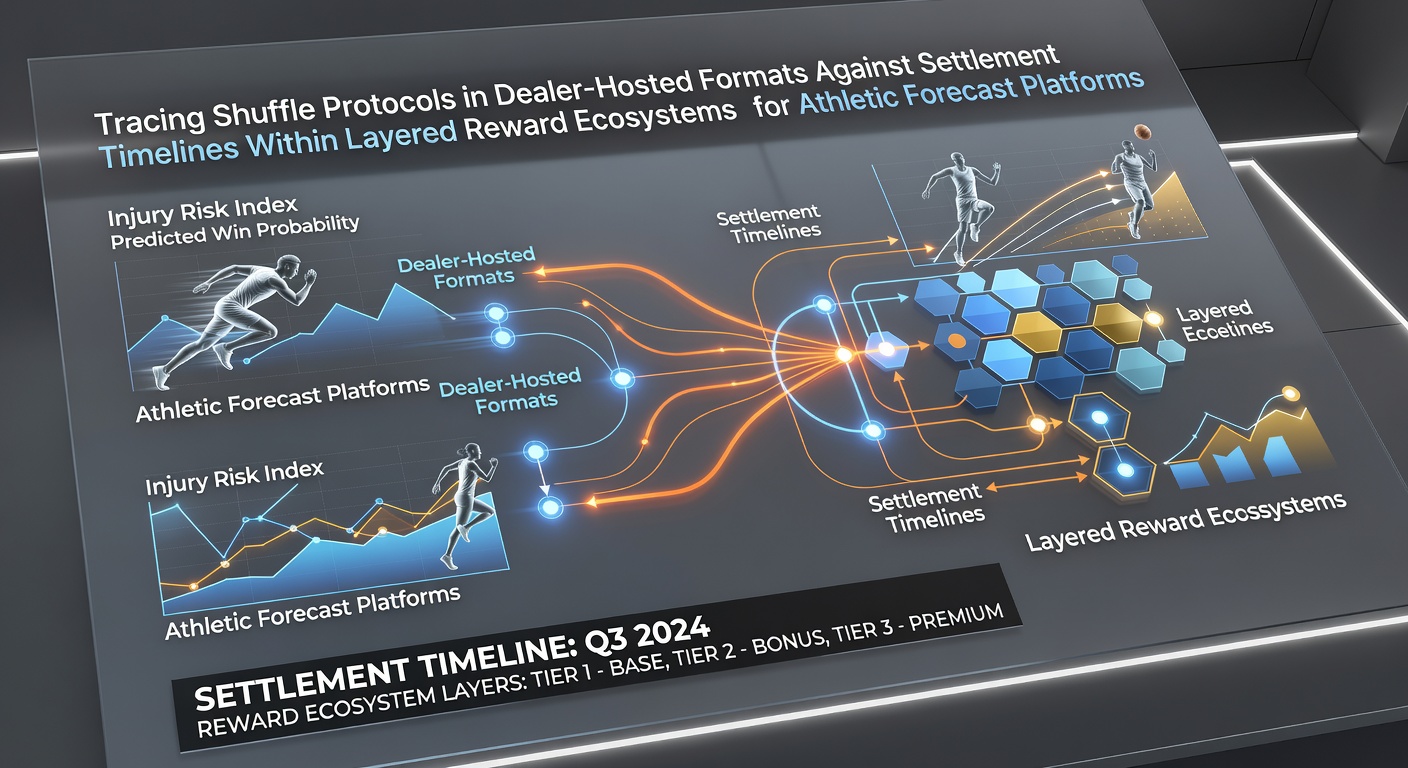
Tracing Shuffle Protocols in Dealer-Hosted Formats Against Settlement Timelines Within Layered Reward Ecosystems for Athletic Forecast Platforms
Shuffle protocols in dealer-hosted formats operate through randomized card sequencing systems that integrate with live streaming feeds while settlement timelines track the completion of reward distributions across multiple incentive layers in athletic forecast platforms. Observers note that these mechanisms align random number generation processes with transaction confirmation windows that range from instantaneous micro-rewards to multi-stage bonus releases depending on platform architecture.
Core Components of Shuffle Verification Systems
Dealer-hosted environments rely on certified random shuffle algorithms certified by independent testing labs where each deck sequence undergoes cryptographic hashing before card distribution begins. Research indicates that platforms synchronize these hashes with settlement clocks to prevent discrepancies between game outcomes and reward calculations in layered ecosystems. Those who've examined the infrastructure find that verification occurs at the point of card reveal and again at settlement confirmation to maintain consistency across athletic prediction interfaces.
Layered reward structures typically consist of base payouts, progressive multipliers, and conditional bonuses that unlock only after specific settlement milestones pass. Data shows that when shuffle protocols complete within sub-second windows they reduce latency between athletic forecast result processing and subsequent reward tier activation. Experts have observed that mismatches between these timelines can trigger automated audit flags that pause further distributions until reconciliation finishes.
Settlement Timeline Interactions wth Athletic Forecasts
Athletic forecast platforms process event outcomes through data feeds that feed directly into settlement engines where shuffle results from concurrent dealer-hosted sessions influence overall reward eligibility. In June 2026 several major operators adjusted their settlement windows to accommodate increased volume from international athletic events while preserving shuffle integrity checks. Figures reveal that platforms maintaining sub-30-second settlement cycles for base layers achieved higher user retention rates in multi-tier reward programs compared with slower counterparts.
One study revealed that integrating shuffle protocol timestamps with settlement ledgers allows operators to trace reward eligibility back to specific deck sequences without exposing full game logs. This approach supports compliance requirements from regulatory bodies such as the Nevada Gaming Control Board. What's interesting is how these timestamps also enable granular analysis of delay patterns that occur when high-volume athletic forecasts coincide with peak dealer-hosted table activity.
Technical Alignment Across Reward Layers
Layered ecosystems separate immediate cashable rewards from locked promotional credits where each tier carries distinct settlement requirements tied to shuffle verification status. Researchers discovered that platforms using blockchain-anchored shuffle records can compress settlement timelines for upper reward layers by pre-validating protocol compliance before athletic forecast results finalize. Observers note that this pre-validation reduces the average time between event conclusion and bonus release from several minutes to under 45 seconds in optimized systems.
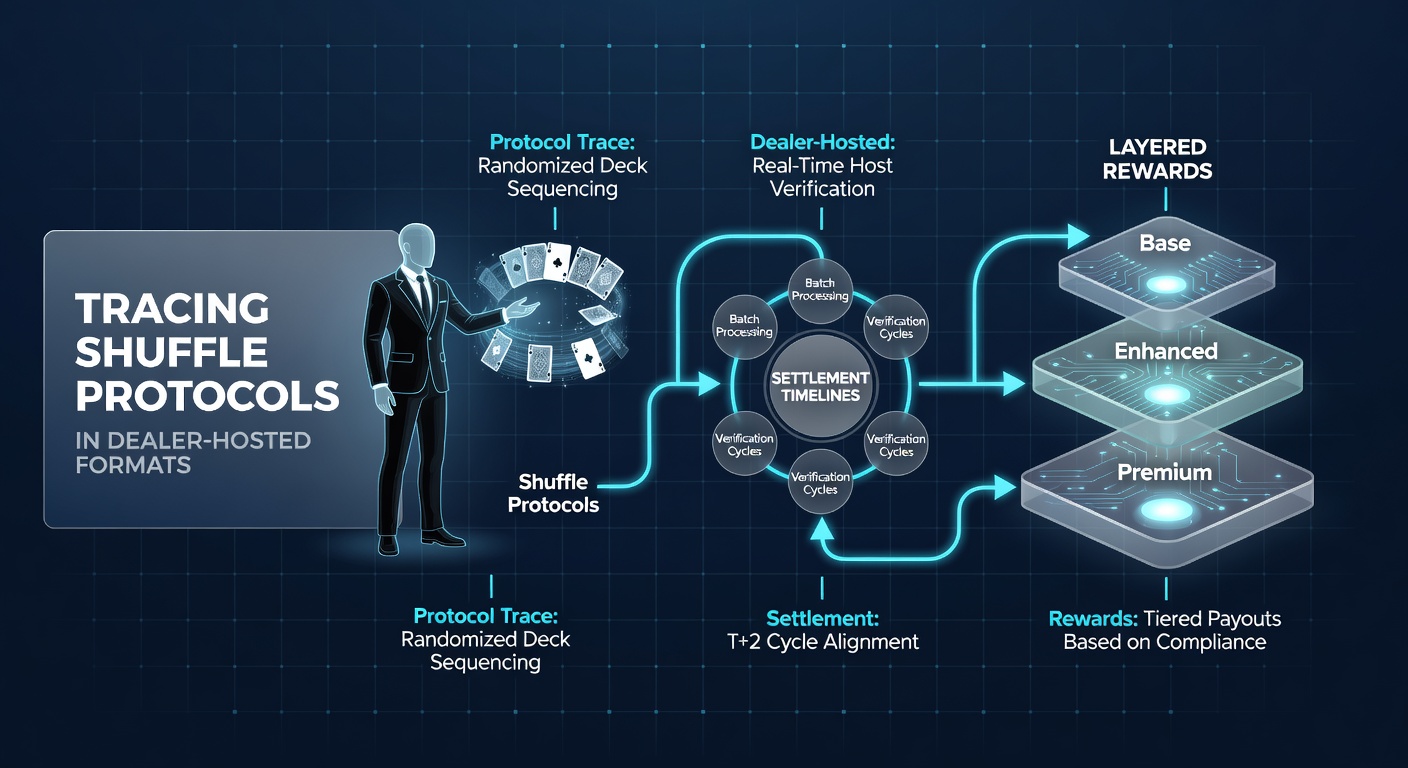
Take one operator who implemented real-time protocol tracing across European and Asian markets and found that settlement accuracy improved by aligning shuffle completion events with forecast data ingestion points. Those systems also incorporated fallback protocols that automatically extend timelines when network conditions delay hash verification. Data from industry reports published through the European Gaming and Betting Association shows measurable reductions in dispute volumes after such alignments were introduced.
Compliance and Traceability Standards
Regulatory frameworks in multiple jurisdictions require operators to maintain immutable records linking shuffle sequences to settlement events for audit purposes. Platforms achieve this through timestamped logs that capture both protocol execution and reward disbursement steps. According to findings from the Canadian Gaming Association these records must remain accessible for at least five years and support rapid retrieval during compliance reviews.
Systems that embed shuffle verification metadata directly into settlement transaction payloads allow auditors to reconstruct entire reward pathways without separate data pulls. This integration proves especially useful when athletic forecast platforms run simultaneous dealer-hosted promotions that share the same layered incentive structure.
Conclusion
Tracing shuffle protocols against settlement timelines provides operators with measurable control over reward distribution accuracy in dealer-hosted and athletic forecast environments. Continued refinement of these alignments supports both operational efficiency and regulatory compliance across layered ecosystems as platforms scale their offerings through 2026 and beyond.