Tracing Transfer Timelines Against Compliance Frameworks in Pocket Device Athletic Projections and Interactive Sessions
Jonas Braun · Jul 10, 2026

Tracing Transfer Timelines Against Compliance Frameworks in Pocket Device Athletic Projections and Interactive Sessions
Financial transaction processing in pocket device athletic projections and interactive sessions follows structured timelines that intersect directly with regulatory compliance frameworks across multiple jurisdictions. Observers note that settlement periods for deposits and withdrawals must align with anti-money laundering requirements, know-your-customer verification standards, and responsible gaming protocols enforced by state and national bodies.
Research indicates that mobile platforms handling athletic projections, which include real-time odds and forecast interfaces, complete most deposit authorizations within seconds to minutes when automated checks pass without flags. Yet withdrawal processing extends longer because operators conduct manual reviews to satisfy layered compliance obligations before funds leave the system.
Regulatory Structures Shaping Transaction Windows
Multiple oversight entities establish the boundaries that determine how quickly transfers move through pocket device systems. The Nevada Gaming Control Board requires operators to maintain detailed audit trails for every transaction above certain thresholds, which adds verification steps that extend timelines beyond initial user expectations. Similar rules appear in other regions where athletic projection platforms operate under licensed conditions.
Those who have examined settlement data across platforms report that interactive sessions involving live dealer formats or prediction interfaces often trigger additional review layers when activity patterns deviate from established user baselines. Compliance frameworks demand that these reviews occur before funds transfer out, creating predictable delays that operators must communicate clearly to users.
Timeline Mapping in Mobile Environments
Transaction velocity studies reveal distinct patterns depending on payment method and session type. Instant banking options integrated into pocket devices can reduce deposit windows to under thirty seconds, while compliance checks for high-volume athletic projection activity may require up to forty-eight hours for withdrawal approval. Data shows these extended periods stem from mandatory cross-referencing against sanction lists and transaction history databases.
Platforms that support interactive sessions alongside athletic projections must segment their compliance processes accordingly. A single account engaging in both live prediction markets and traditional projection interfaces generates separate risk profiles that regulators expect operators to evaluate independently before releasing funds.
Integration Challenges Across Jurisdictions
Operators managing multi-state or international user bases face varying settlement requirements that complicate uniform timeline delivery. Australian regulatory guidelines, for instance, emphasize rapid but documented processing for approved transactions, whereas certain North American frameworks prioritize extended cooling-off periods for larger amounts. These differences force platform developers to build flexible systems capable of applying jurisdiction-specific rules without disrupting user experience in athletic projection or interactive environments.
July 2026 saw several updates to reporting thresholds in select markets, requiring more granular tracking of transaction origins and destinations. Platforms adapted by embedding automated alerts that flag potential compliance issues before they reach settlement stages, thereby reducing the frequency of manual interventions that lengthen overall timelines.
Technology Supporting Compliance Alignment
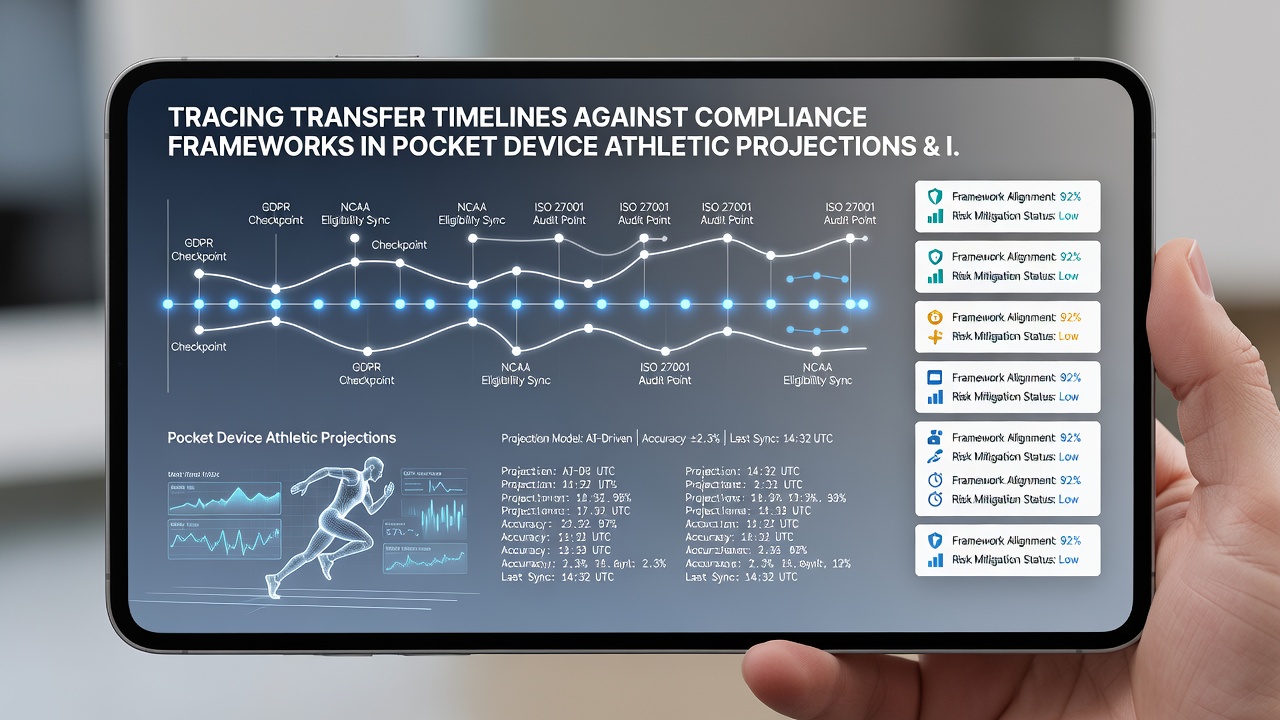
Advanced monitoring tools now allow real-time comparison of transfer speeds against mandated compliance checkpoints. Machine learning models analyze session behavior in pocket device athletic projections to predict which transactions will require additional scrutiny, allowing operators to pre-stage documentation and shorten approval cycles when patterns remain consistent with prior verified activity.
Those managing interactive session environments report that blockchain-based audit trails provide immutable records that satisfy regulatory inspection demands while maintaining efficient processing flows. This technology reduces the administrative burden associated with reconciling timelines against compliance frameworks without sacrificing the detail regulators require.
Case Examples from Operational Data
One documented implementation involved a platform serving users across multiple prediction markets that reduced average withdrawal times by eighteen percent after integrating automated sanctions screening directly into the mobile transaction pipeline. The adjustment maintained full adherence to applicable frameworks while responding to user expectations for faster settlement in athletic projection accounts.
Another example from a provider handling both interactive and projection services showed that segmenting compliance workflows by activity type prevented cross-contamination of risk assessments, resulting in more predictable timelines that users could track through in-app notifications.
Conclusion
Tracing transfer timelines against compliance frameworks in pocket device athletic projections and interactive sessions requires continuous alignment between operational capabilities and regulatory expectations. Data from multiple markets demonstrates that platforms succeed when they embed verification processes into transaction flows rather than treating them as separate stages. As frameworks evolve, operators continue refining these alignments to support both security mandates and user access across mobile environments.